Collaboration for Chocolate Makers: Creative Collaborations To Consider
by David Nilsen
Welcome back to Collaboration for Chocolate Makers, my series in which we talk about how and why craft chocolate makers should be working with other businesses to expand their customer base, increase their revenue, and tell their story.
Today we’re going to talk about ideas for creative, outside the box collaborations. Partnerships with businesses or entities that you might not think about as options but can really lead to some cool storytelling and visibility. These ideas are less intended as prescriptive than as ways to get your creativity moving and get you brainstorming options. I fully expect I’ve missed more ideas than I’ve come up with here, so please share others as you think of them.
Let’s start with some food-based ideas that some of you are probably already doing, but I think are easy to do more widely. Sometimes you can just formalize the relationship to turn an ingredient provider into a collaborator.
Creative Food-Based Collab Ideas
Coffee Roaster
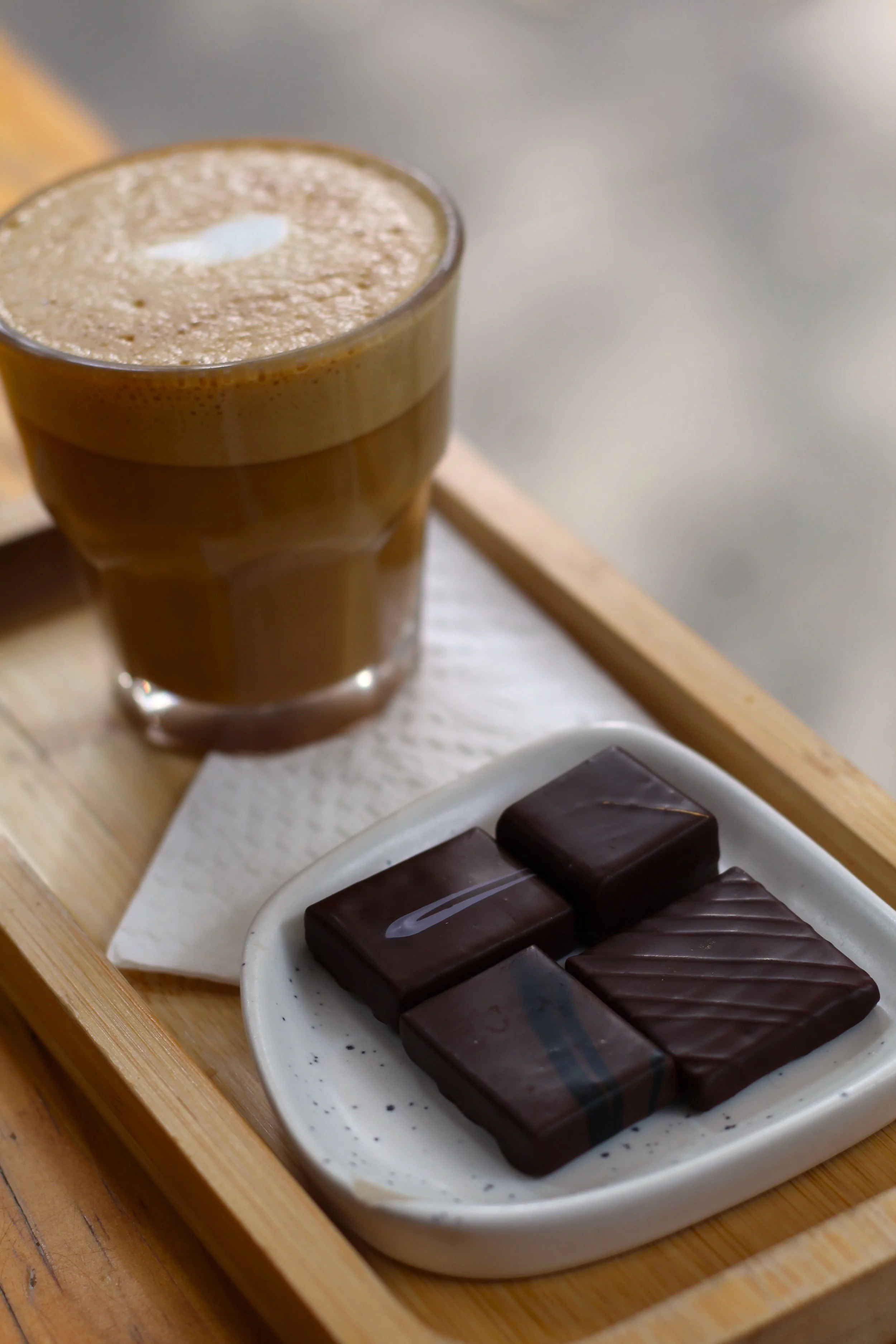
This one’s easy. People already associate coffee and chocolate, and because both cacao and coffee are roasted, the flavors are complementary. I would wager most of you have already made a coffee bar of some kind, and you’re probably sourcing your coffee from a local roaster and likely put their name on the label of the bar(s).
All it would take to turn an existing coffee chocolate bar into a collaboration would be to reach out to the roaster and formalize the arrangement a little bit. This doesn’t have to involve changing anything you’re doing besides expanding your storytelling and marketing. Once the collab is agreed to, you can tell the story on social media and in your newsletter, put their logo on the bar. You can even see about cross-selling the bar in their shop, or even doing an exclusive small batch bar that is only sold through their shop. Coffee drinkers are primed to love craft chocolate, and if they’re already paying for good coffee, then they already understand the idea of paying more for a better product. You could also look at rolling in a coffee and chocolate pairing at the coffeeshop, or a comparative coffee cupping and chocolate tasting.
Spice merchant
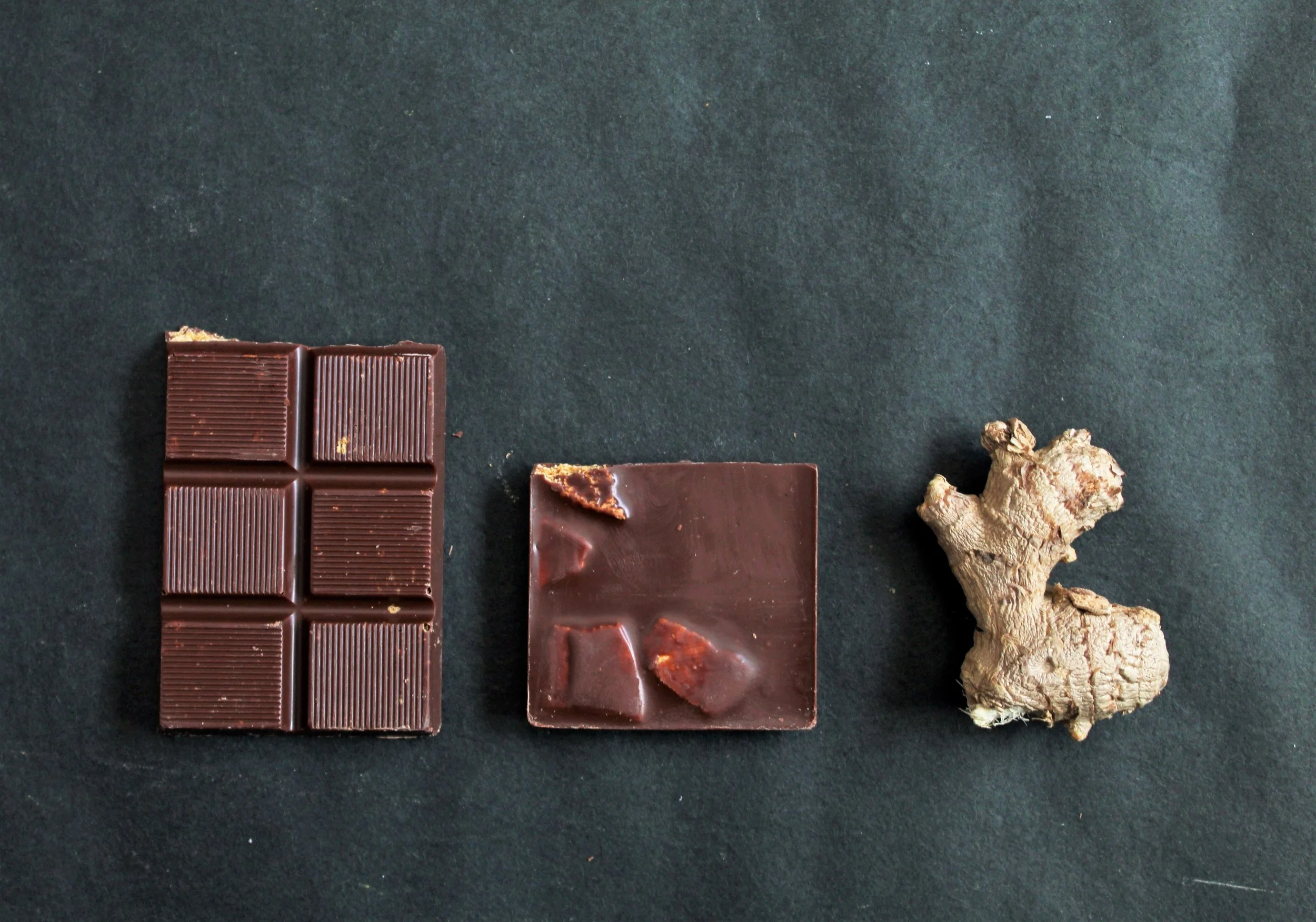
You’re almost certainly making bars that have spices in them. If you’re lucky enough to have a reputable spice merchant near you, consider collabing with them on a branded bar. They can also sell the bar at their shop and it can work as a kind of a showcase for them of how their spices can be used. On your end, you get to elevate some spice names that everyone sees and assumes are a known quantity into being something thoughtfully sourced with a story behind it.
Other Ideas
Do you have a beloved bakery near you? Consider making a bar with sourdough crumbs from them, or collaborating on a bar that emulates the flavors of one of their pastries.
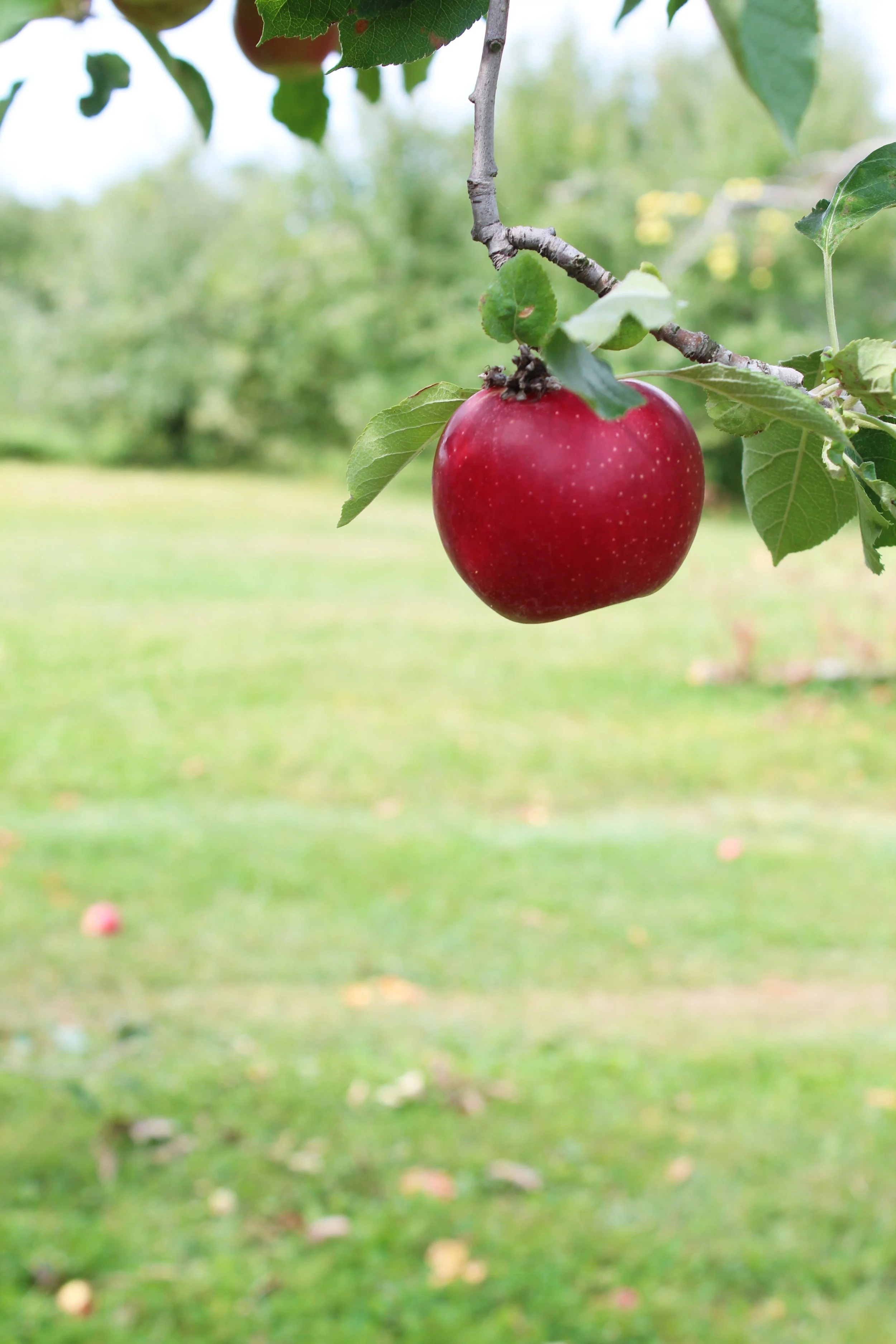
In much of the country, people flock to fruit farms during the late summer and fall for apples, pumpkins, or other fruits. These businesses have often been in the same family for generations, and people have a lot of nostalgia connected to them from these annual treks. How about collaborating with them to use some of their fruit in a bar, which they could then sell in their shop?
Most of what we discussed in relation to coffee shops is true of tea shops or tea merchants as well.
Again, you’re likely already making bars using some of these above ingredients. Looking at a collaboration would just require formalizing the relationship, and the benefits can be significant, with more storytelling opportunities, access to your collab partner’s audience, and the possibility of more sales avenues.
Now, let’s expand beyond typical food and drink merchants and look at some more unconventional options.
Non-Food-Based Creative Collab Ideas
A lot of makers love to work with foraged or locally-grown botanicals or mushrooms or other wild edibles in limited release bars. Why not look for some unexpected collab opportunities with these?
You could work with a local nature preserve to use a wild edible from public lands. You could even organize a foraging event with them and have the nature center lead a guided walk or educational talk on foraged ingredients from the area, and use those in the bar. A portion of sales could benefit the preserve.
You could work with a local foraging group or mushroom group on a bar, or even tap a local florist to collaborate on a bar with edible flowers.
The important thing to understand with any of these types of ideas is that because you’re the sole food maker in the collab, there really aren’t many moving parts involved in the collaboration beyond planning and marketing. You’re just making a chocolate bar (possibly one you were planning to make or already make), and working with another party that can help raise interest, create a local connection, and provide more storytelling opportunities.
Speaking of which, there’s no reason a collaboration has to directly tie to ingredients at all. The options for creative collaborations with entities outside the world of food, beverage, or even nature, are as limitless as your imagination. Here are a few examples, but truly, we could sit here all day coming up with these.
You can partner with a non-profit you believe in to raise awareness, and donate a portion of proceeds to the cause.
You can work with a local theater group for on a bar that can raise funds for the troupe as well as be sold at the concession stand.
Is there a local town festival or even a larger draw like a comic con or horror con type of event near you? See if you can collab with them to make the official craft chocolate bar for the event, and theme it somehow around what the festival celebrates. It’s free marketing for the event and requires almost no work from them, and gets you visibility when they share it.
Does your city have a roller derby team? Perfect, make a bar with blackberries and blueberries and call it Bruiseberry or something silly. Roller Derbiers love puns, and they will get a huge kick out of getting to be involved with something like this.
How about working with a local music band or record shop on a collab bar? It’s instantly cool, and you can have a lot of fun with them on the name and idea. The bar could even be sold at the record shop. You could have the band in for a listening party at your shop when their EP drops. Whatever. Have fun with it.
Do you have a beloved movie theater in your town? Collab on a bar that will only be sold at their concession stand. You can make it with buttered popcorn, or something else silly to play off nostalgia.
With all of these, group members themselves became customers, and you get access to their fans as well, most of whom will never have heard of craft chocolate.
Things to Consider
The most important part of collabs like this is the storytelling. You need to maximize what you get out of this from a visibility standpoint. One thing that can be fun is to invite the collab partners to “help” with making the bar. They might not actually be able to do much, but that’s not the point. They can pour nibs into the melanger, drop in some inclusions, or help you smell beans from different origins and share what they think. They can also help with a name and maybe even some design ideas. The key here is that they now have deeper investment in the product, have a cool story to tell, and will tell people about the bar when it comes out, and you have way more interesting photos and videos to share.
Obviously you need to get all the social media traction out of these collabs you can, but something like this can also be worth sharing with local media such as TV news, newspapers, websites, etc. I’m going to be doing a series this summer on media relations for craft chocolate makers, but for now, know that media is way less concerned with the size of a business or event than with unique happenings, so feel free to let them know about your unusual collab.
As I mentioned with a number of these, in some situations the collab partner can become a temporary or ongoing vendor for the collab bar, but not always, so make sure you have that clarified before beginning and have an avenue for moving local interest toward your shop or sales platform.
Approaching these collab partners is as easy as reaching out, expressing appreciation for what they do, and explaining your idea and how it would work. That last part is important, because they might not have any sense of what is involved in a project like this and balk at the idea of having to take on tasks they aren’t comfortable with. This can happen over email or phone, and you can invite them to your shop to talk more about it, or visit them at their business.
As I have emphasized repeatedly in every episode of this series, make sure your values align with your potential collab partner. Do a little due diligence. Make sure you’re not going to regret the association.
Plan everything in advance. This is always true for collabs, but works a little differently here, because you’re going to be solely responsible for making the end product. In the case of a food vendor like a coffee roaster or spice merchant, there will be a collaborative process for deciding on origins or exact ingredients, but this is going to be your product, even though you’re sharing the branding and marketing. Most of this planning then will fall to you, so you need to have your ducks in a row.
The things that need to be fully discussed with your collab partner in advance are around deadlines, volume needs, branding and marketing plan and expectations, what their involvement in the actual process is going to be, and what kind of release event, if applicable, you’re going to have.
Finally, one thing to keep in mind just for your own wellbeing: your collab partner in this type of collaboration is likely to know nothing about craft chocolate, cacao farming, etc. That might seem obvious, but it can lead to some annoying interactions. Expect folks to say things like, “I only like really good chocolate like Lindt”, and expect you to be impressed. Or they might want to garner cred by saying they don’t like milk chocolate or white chocolate. They might balk at the price point for your planned bar. This is all to be expected, and you deal with it from casual customers all the time, but it can hit a little different when it’s a creative partner, so just be prepared for a lot of chocolate 101 level educating to be needed. That’s good - it means you have an invested audience to teach!
Now, get out there and do some creative collaborating, and let me know how it goes, what you learn, and what you think others can learn from it as well!
Collaboration for Chocolate Makers series
Podcast Episodes
Why Do It, and General Considerations
Collaborating with Beverage Alcohol Producers
Collaborating with Other Craft Chocolate Makers
Creative Collaborations to Consider
Collaboration Case Study: Estelle Tracy
Blog Posts
Why It’s Worth It, and Things To Consider
Collaborating with Beverage Alcohol Producers, and Drinks-Based Collabs
Chocolate-Based Collabs with Beverage Alcohol Producers
Collaborating with Other Craft Chocolate Makers
Creative Collaborations to Consider (you’re reading it!)
Collaboration Case Study: Estelle Tracy