Nostalgia Chocolate’s Tyler Cagwin Gives Advice on Selling Cacao to Craft Breweries
by David Nilsen
Most craft breweries (there are plenty of exceptions, of course) don’t know where the cacao nibs they’re using in their chocolate beers came from. If prompted, they might know an origin, or might even remember the name on the bags, but it’s an afterthought. It’s not really their fault; they’re focused on the quality of beer’s primary ingredients: malt, hops, water, yeast. When it comes time to order cacao nibs for a seasonal or special release, they contact their main ingredient supplier and take what’s in the warehouse, which has probably been sitting there for a while. It may have been sourced ethically, but it’s unlikely to be in the best condition, and little to no guidance comes with it.
This represents a great opportunity for craft chocolate makers to provide a better product, generate additional revenue, and reach a new audience. Reaching out to new breweries in your area can introduce them to a better quality of cacao nibs and other products than they’re used to, and lead to an ongoing relationship that can benefit both businesses. The products that come out of this can be branded collabs, but most of the time they won’t be, and that’s okay: this can still be a boon to a small craft maker.

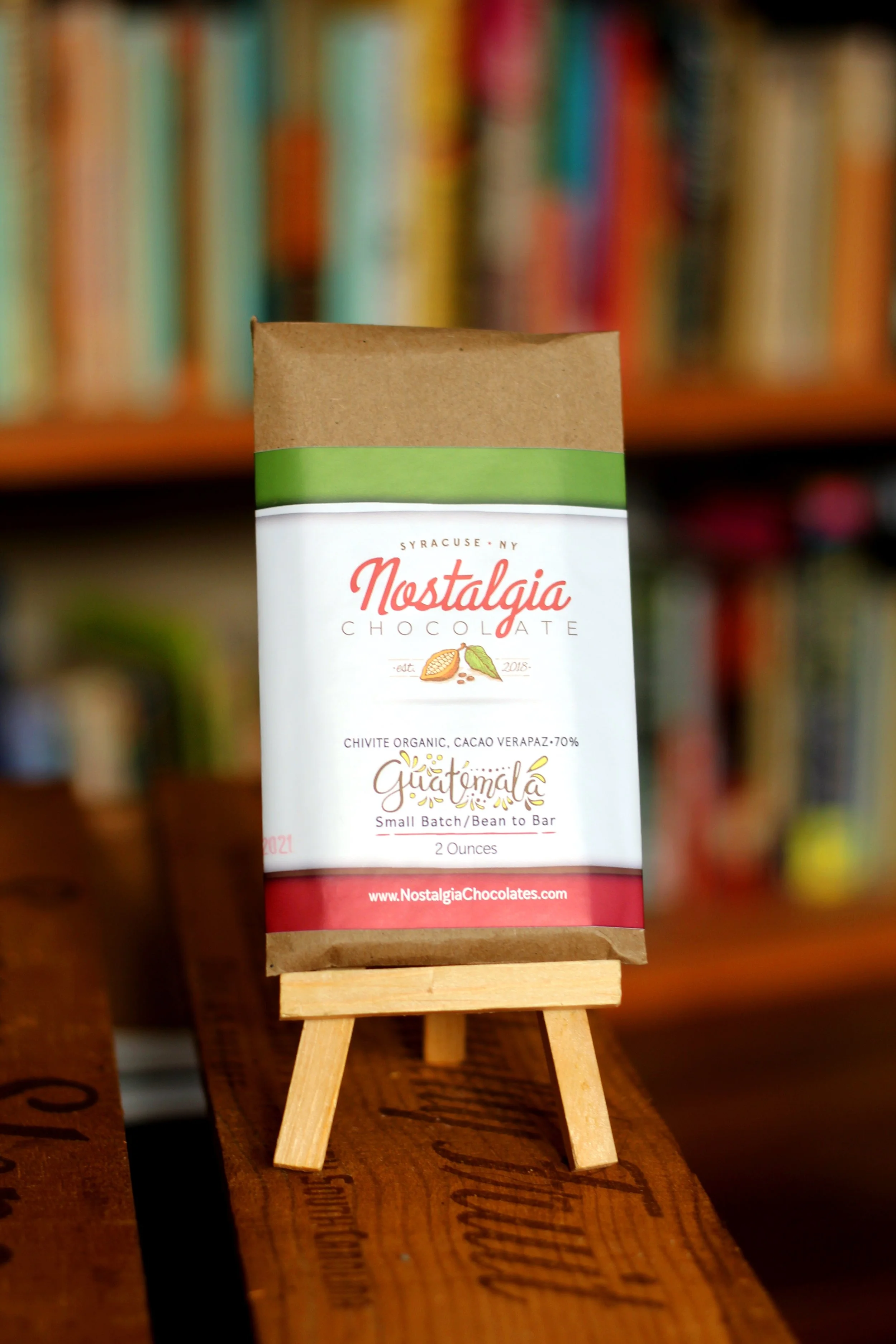
Tyler Cagwin at Nostalgia Chocolate in North Carolina has made selling cacao nibs and husks to local breweries a significant part of his business, so I reached out to him recently for tips on how craft chocolate makers can begin selling to craft brewers. You can listen to our conversation below, or keep reading to read his advice.
Beginning & Building Relationships
Make a list and do some research.
It’s important to not only know which breweries are in your area to pitch to, but a little bit about their vibe and needs. Check out their websites and social media pages, or even consider stopping by for a beer. Make note of some things you like based on what you find.
Just blind emailing a brewery, especially through a generic “info@___” email address or a website contact form, is functionally useless. It’s highly unlikely you’ll hear back through these channels, and Tyler says his ROI on this method if very low. Instead, do a little digging for a personal email address for the brewer or other invested party, make a phone call, or even stop by in-person to introduce yourself. Be sure to mention what got your attention about the brewery or what you like about what they’re doing (this is where the notes from their site or your visit will come in handy).
Set up a meeting.
You have a fantastic product to sell to breweries, but it’s a product best experienced with the senses, not with words on a screen. Schedule a meeting with the brewer(s) and maybe a few other folks at the brewery to show them what you can do and explain a little about cacao and what you can provide. Tyler generally takes freshly roasted samples of four origins, with profiles ranging from more broadly “chocolatey” to more unique and expressive. He also brings small samples of finished chocolate made with these same origins so the brewers can get a sense of how the nibs will taste with a bit more sweetness, as they’ll likely have in the beer.
At the meeting, talk to them about the origins and have them smell and sample the nibs and bars. Show them your passion and knowledge, and explain the difference freshly, locally roasted cacao can make in their beers. Also let them know that you’ll be available to answer questions about these ingredients going forward as they need.
Let the product sell itself.
As a craft chocolate maker, you know there’s nothing like tasting great craft chocolate for the first time, or smelling freshly roasted cacao nibs. There’s a good chance you’ll be giving the brewers their first experience with this when you meet. They’ll notice the difference.
Your product might cost more than what they’re currently paying, but it will sell itself. After you’ve talked about the cacao and had them sample, you can talk about the basics of your pricing and logistics.
Providing Value
One advantage you as a craft chocolate maker have over a major ingredient supplier is that you can provide a range of benefits to the brewer beyond raw ingredients. This is the craft advantage, and the more valuable you make yourself to a brewery as a business partner, the more likely they are to continue ordering from you going forward. Tyler lists a number of ways he does this.

Support their business.
When you find yourself at the brewery for deliveries or other stop-ins, stay for a beer or buy a six-pack to go. Let them know your interest in their craft isn’t purely mercenary.
Help spread the word.
When the brewery releases a beer using your nibs, share their post on social media or even post about it independently. Explain a little more about your ingredient that was used, and express your excitement to see a fellow local business using it.
When possible, Tyler will even stop in and photograph the beer with his bar using the same origin to highlight the connection.
Provide info for service staff.
Bar and service staff might be great at hospitality, but they may or may not know much about beer, and probably even less about chocolate. When the brewer buys cacao for a specific beer, drop off some brief, simple notes about the origin and your business. This isn’t the time for a detailed write-up, just a few easy to remember facts they can share when they’re hand-selling the beer to a customer.
Go the extra mile.
Literally. When he can, Tyler delivers his cacao orders in-person to local breweries. It takes a little extra time and a few bucks in gas, but the brewer sees his commitment, it’s more convenient for the brewery, and it gives Tyler the opportunity to address face to face any questions or details that might arise.
Also, while Tyler requests two weeks of advance notice before an order will be needed, he also recognizes the variability of running a small business, and will rush orders when necessary. Set boundaries and value your own time, but be as flexible as you can be.
Getting Benefits
New revenue streams.
As a craft chocolate maker, you don’t need me to tell you how narrow margins can be for an artisan producer. While selling cacao for a single beer might feel more like an act of goodwill and marketing than anything else (not that those don’t have value), it can lead to ongoing sales and can become a legitimate revenue stream for your company. Tyler has done the leg work to make these relationships a significant part of his business. Once the initial work to establish a relationship is done, roasting and delivering cacao is fairly painless, and can provide a nice boost to your business account.
New Customers.
In my recent Collaboration for Chocolate Makers series, I talked a lot about how working with a business in another segment can get your name and product in front of an audience that might not have heard about your otherwise. In the case of craft beer, that’s an audience that has already demonstrated a curiosity for flavor and a willingness to pay a little more for it, especially when it’s locally made. Even if the beer that uses your cacao isn’t a branded collaboration, it can still be an opportunity for new potential customers to learn about you.
New creative opportunities.
While Tyler sells cacao to a lot of breweries in his area, he also takes opportunities to incorporate beer and its ingredients into chocolate from time to time. His Hop Aged bar uses hops to infuse fruity and piney aromas familiar from beer styles like IPA into chocolate. He’s also made bars using cacao reclaimed from the brewing process, creating a unique tie-in with beers using his nibs. These are fun for Tyler, but they can also piggy-back on the last point about attracting new customers. If a craft beer fan finds out about Nostalgia because of a beer using Tyler’s cacao nibs, how cool is it for them to discover a bar on his site that’s made with beer or hops? That can be an easy hook that can convert a curious consumer into an active customer.

New sales outlets.
In some instances, breweries have become wholesale accounts for Nostalgia’s chocolate bars. Not every brewery you sell cacao to will stock your bars, but some might find a local, shelf-stable treat like craft chocolate to be a great side-line item for their merch store, or even as a pairing combo at the bar, especially if it ties in in some way to the beer they’ve made with your cacao.
As a craft chocolate maker, you’re likely busy and sometimes overwhelmed. Considering a new task might be the last thing you’re interested in. Selling cacao to breweries however can be a relatively easy way to boost income, reach a new audience, and infuse creative energy back into your business. If you have more questions about how to go about it, reach out to me or get in touch with Tyler—we’re happy to help!