Trends & Takeaways from the Northwest Chocolate Festival
by David Nilsen
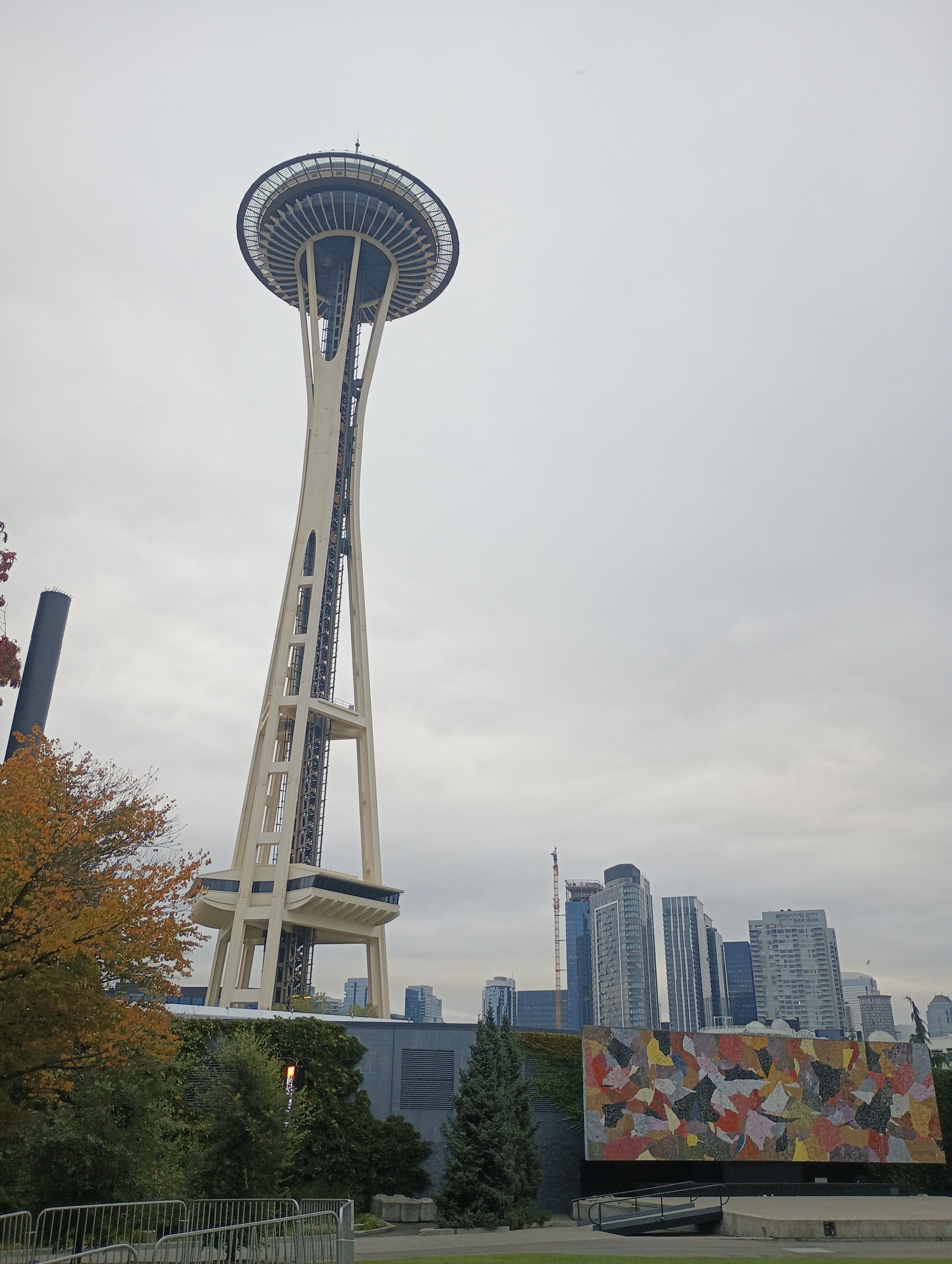
This past weekend I attended my very first Northwest Chocolate Festival! As a good friend described it, the festival is “just the right amount of a lot.” Here were some things I noticed from the offerings from makers on the festival floor. I won’t call these trends—I’m just one person walking around, so who am I to say—but there were things that stood out to me.
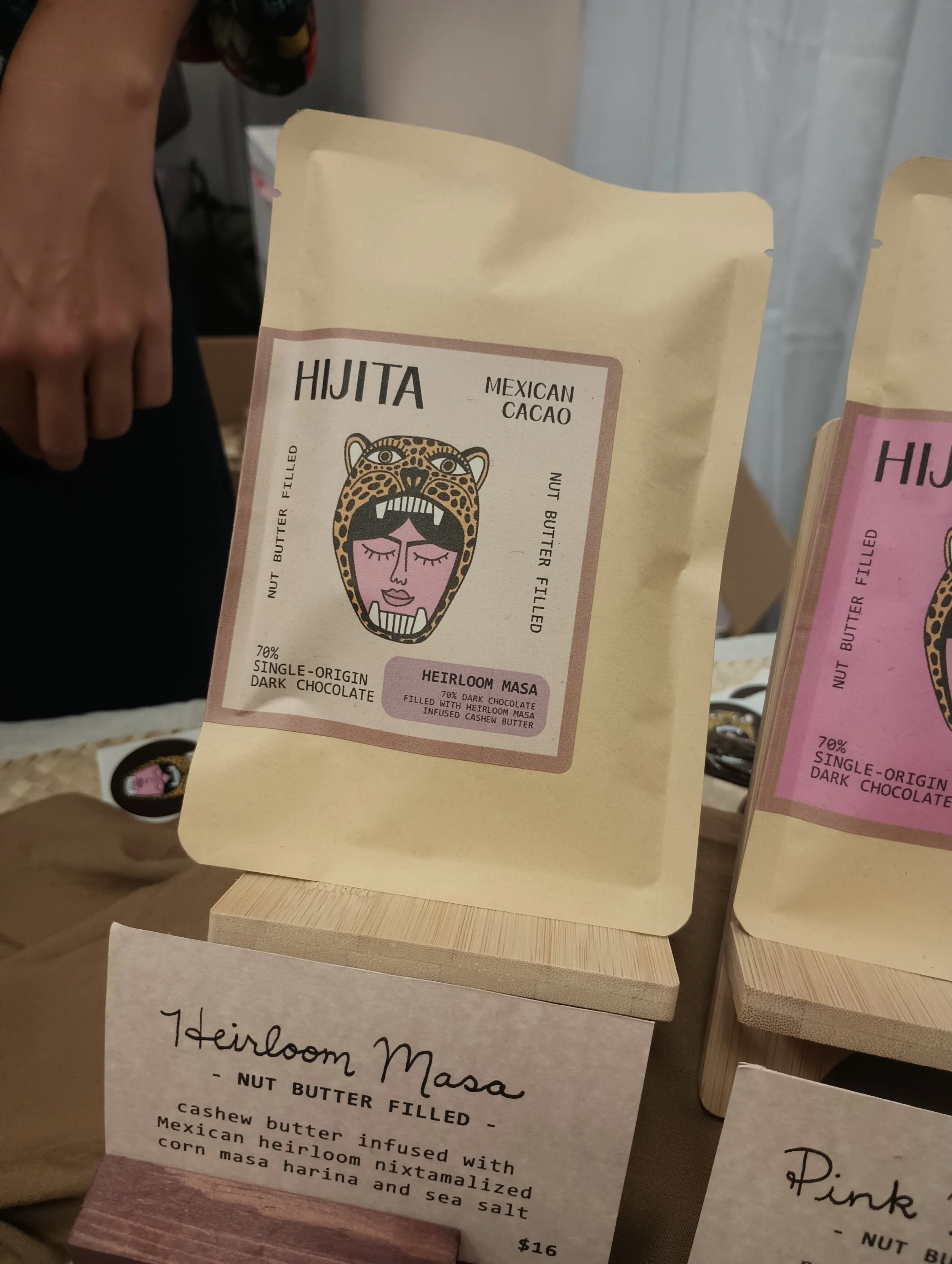
Mexican origins. Mexico is obviously a familiar and established origin for cacao, but several makers debuted new Mexico bars from less-trod origins within the country.
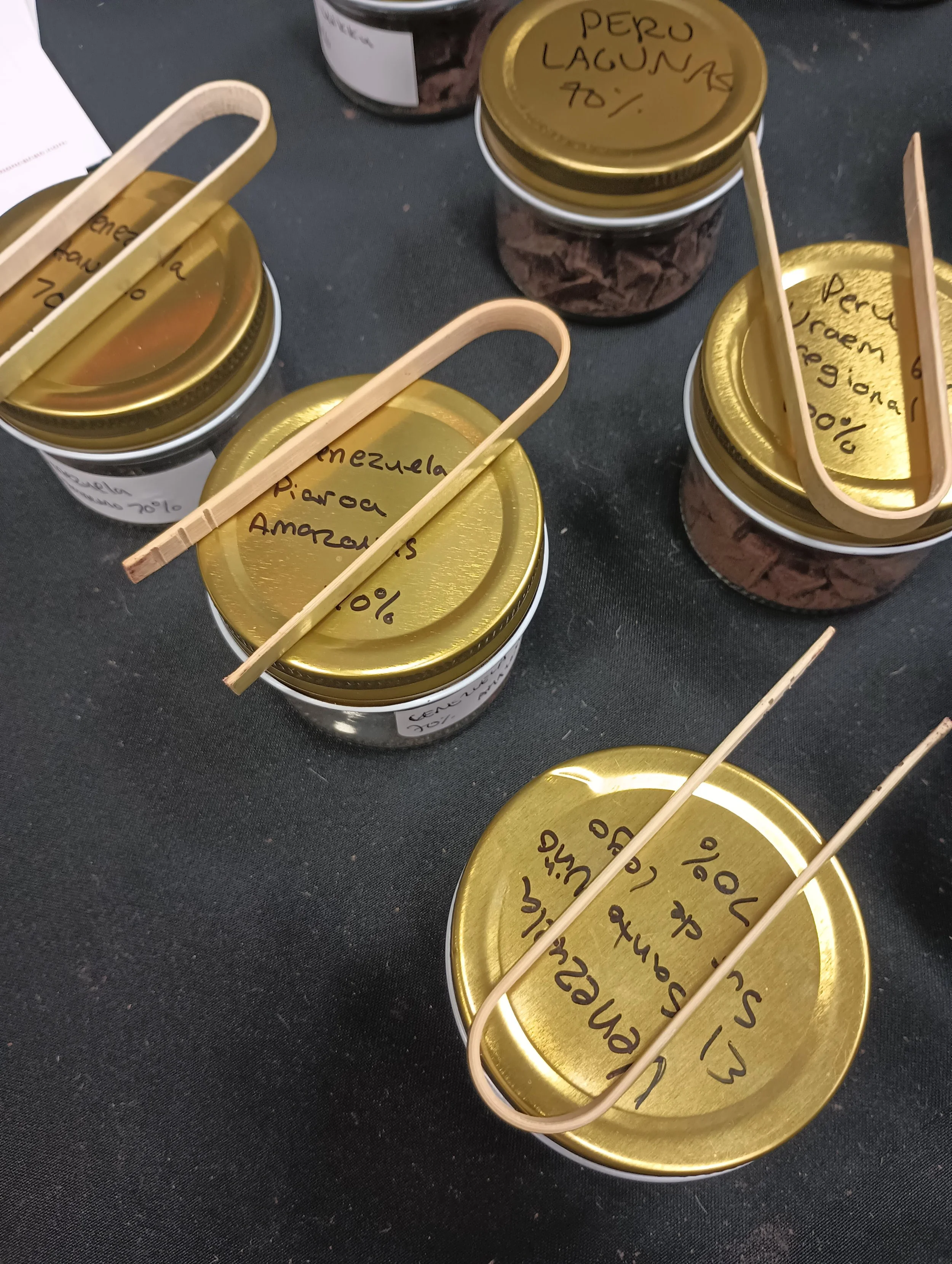
Exclusive or micro origins. I noticed a ton of makers who were either tree to bar, have a direct relationship with a small grower, or were highlighting micro origins. And I am here for it. More confusing? Sure. More fun? Absolutely.
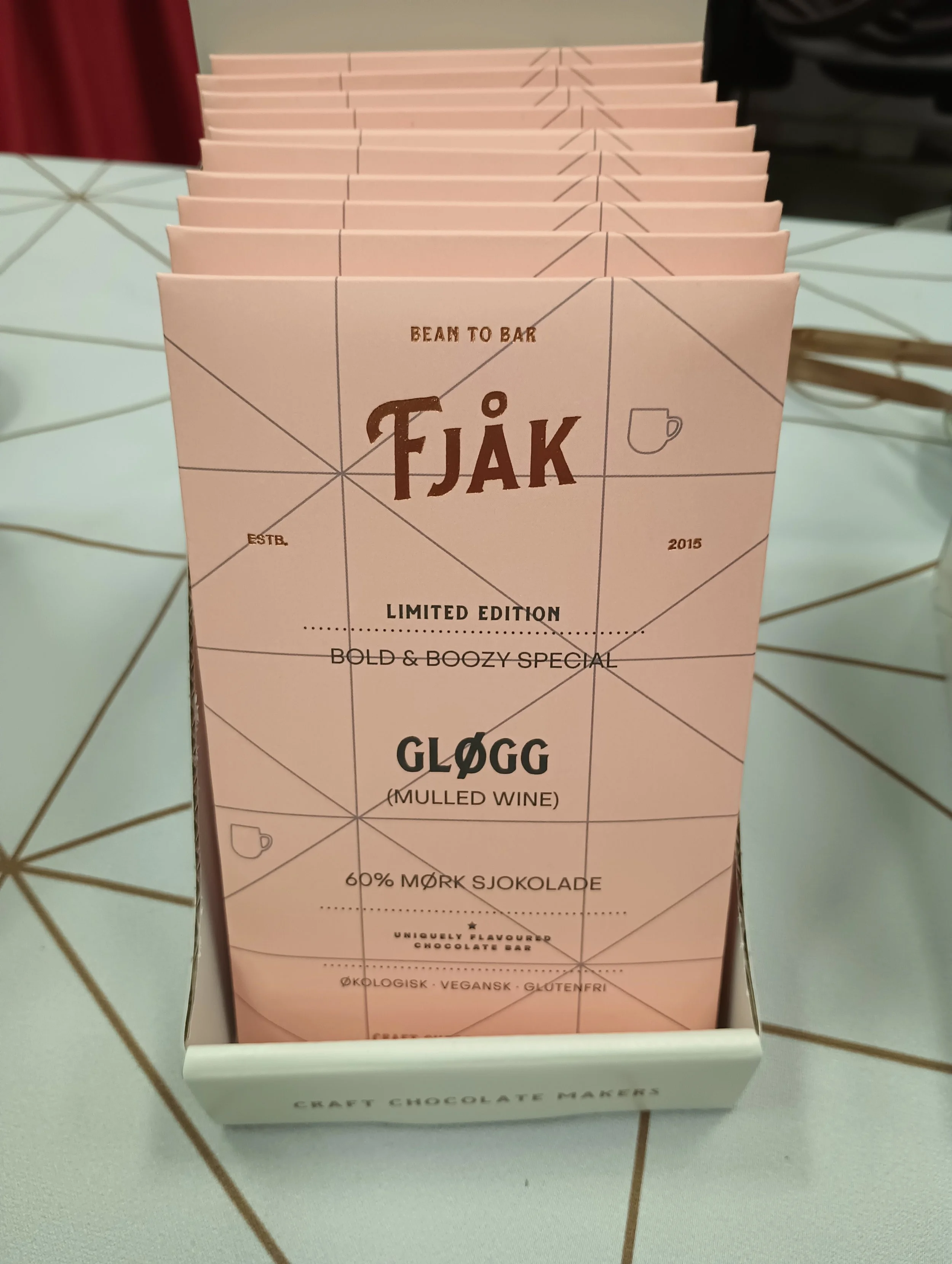
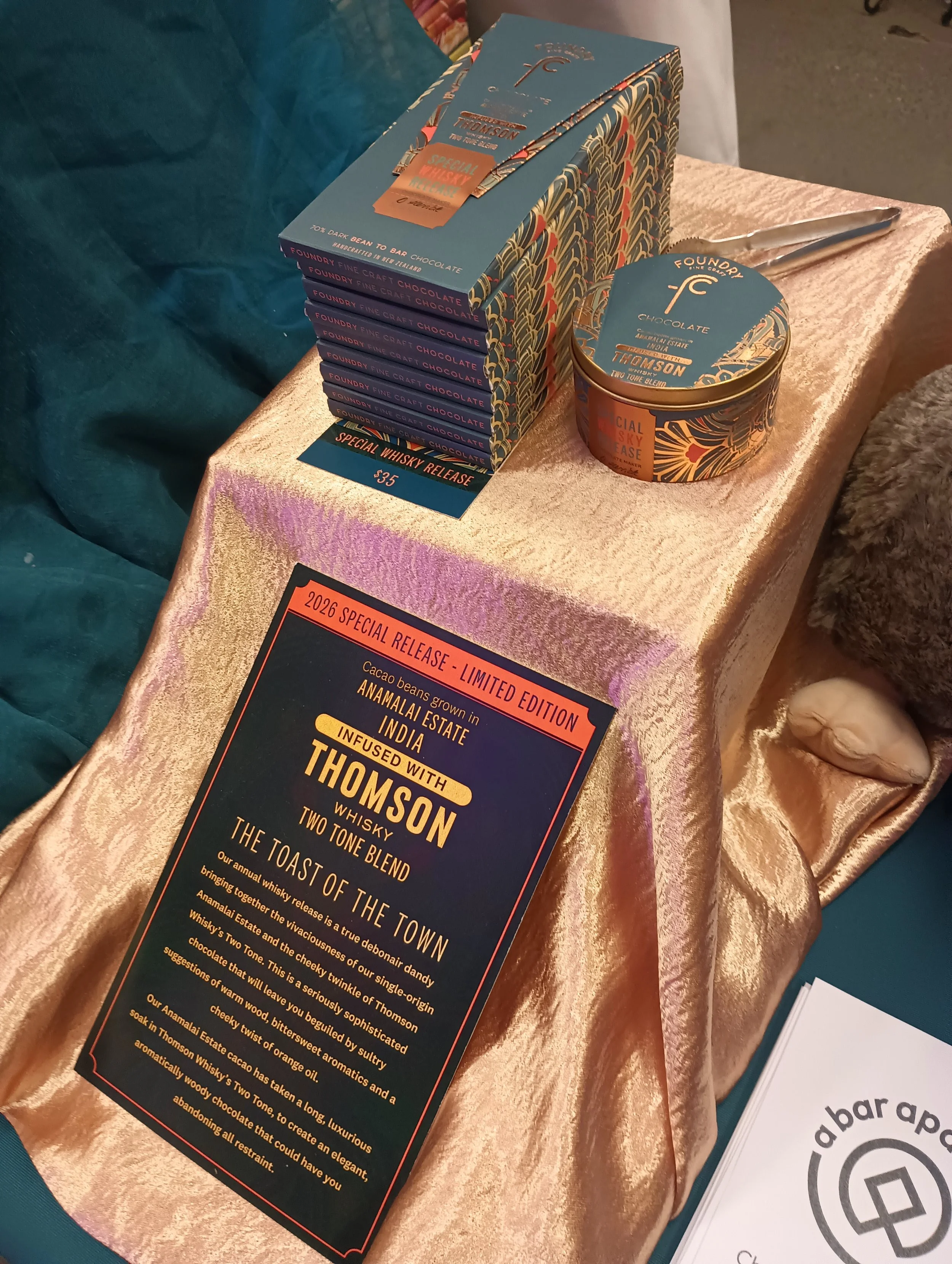
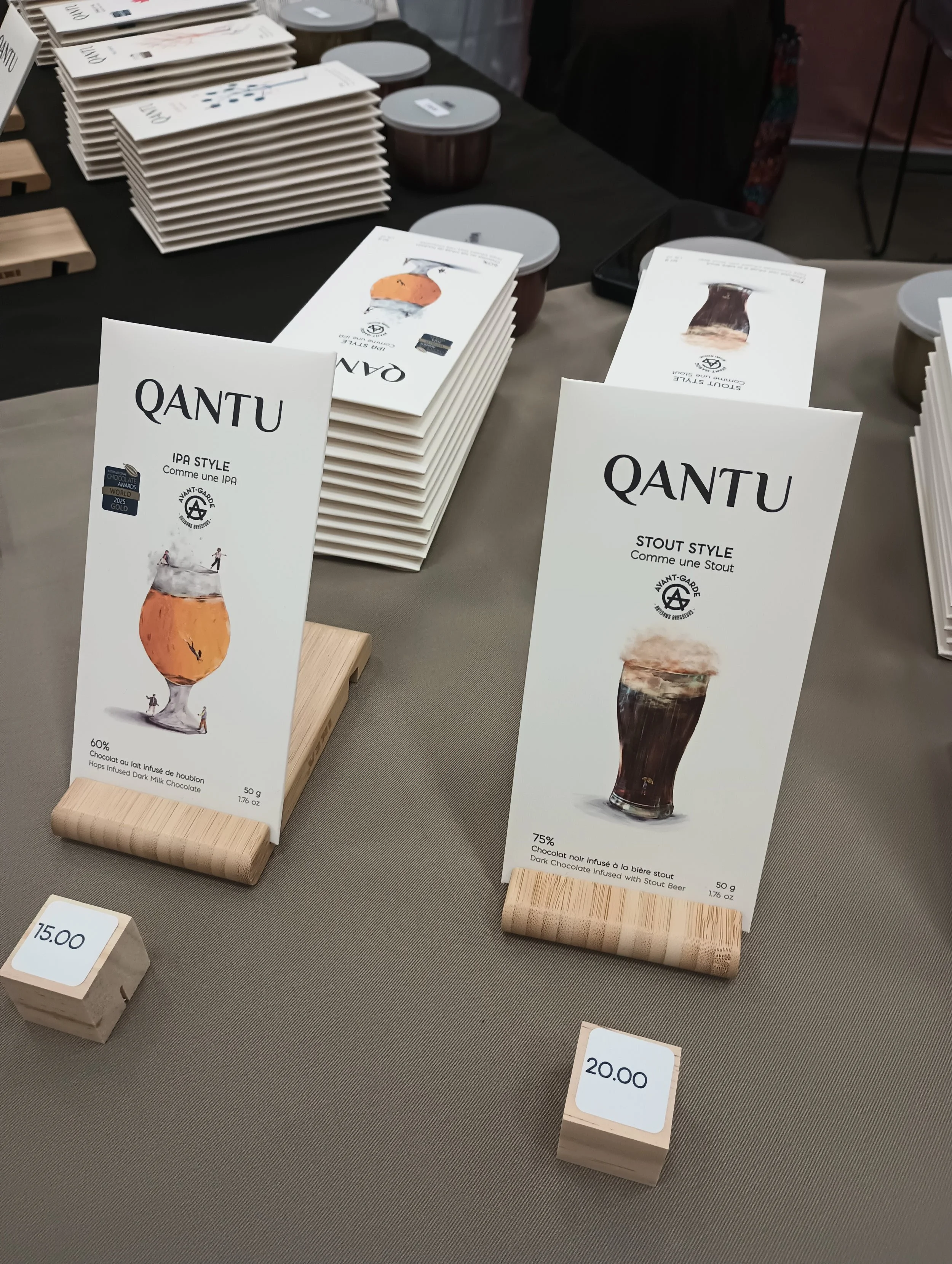
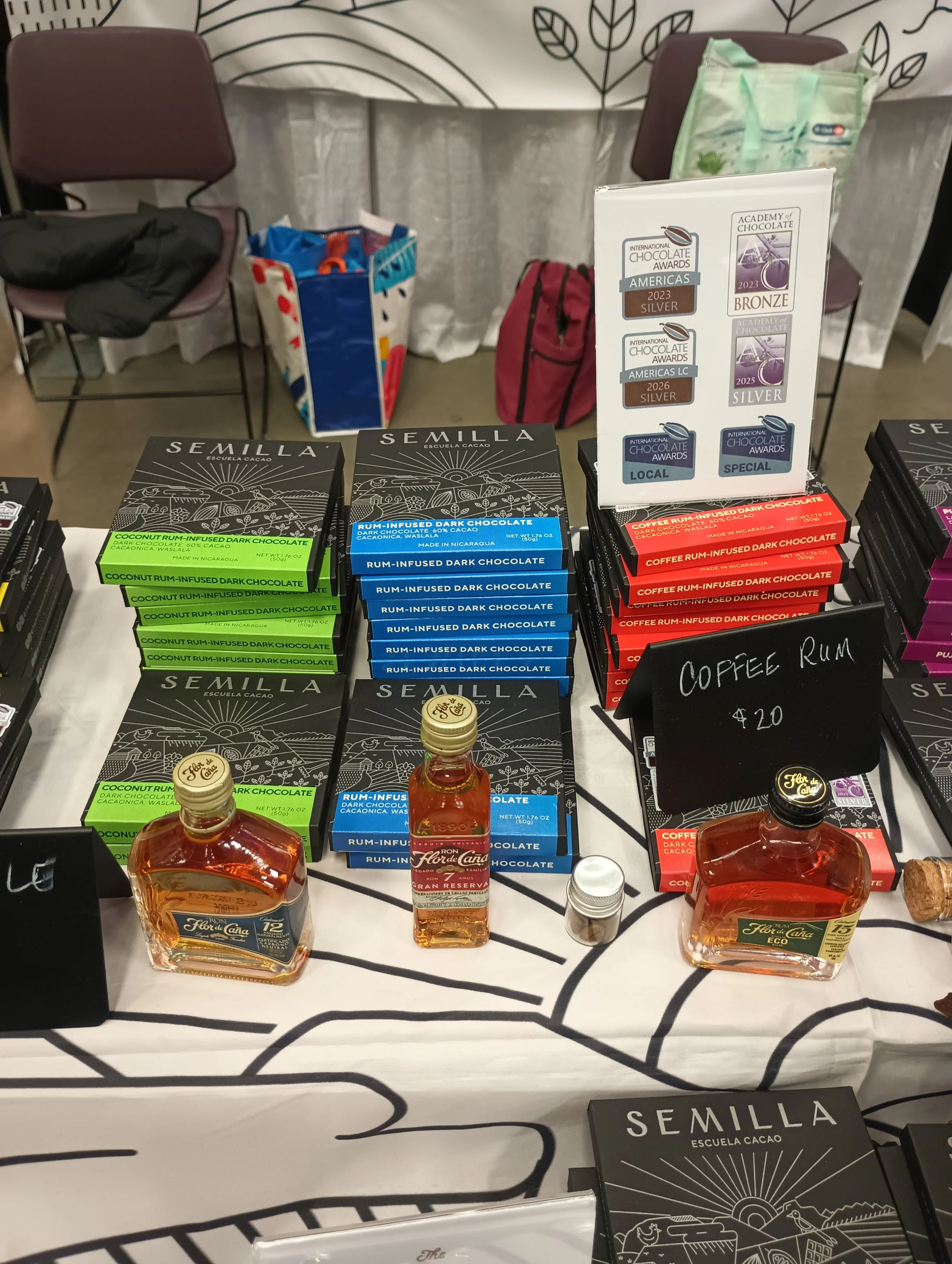
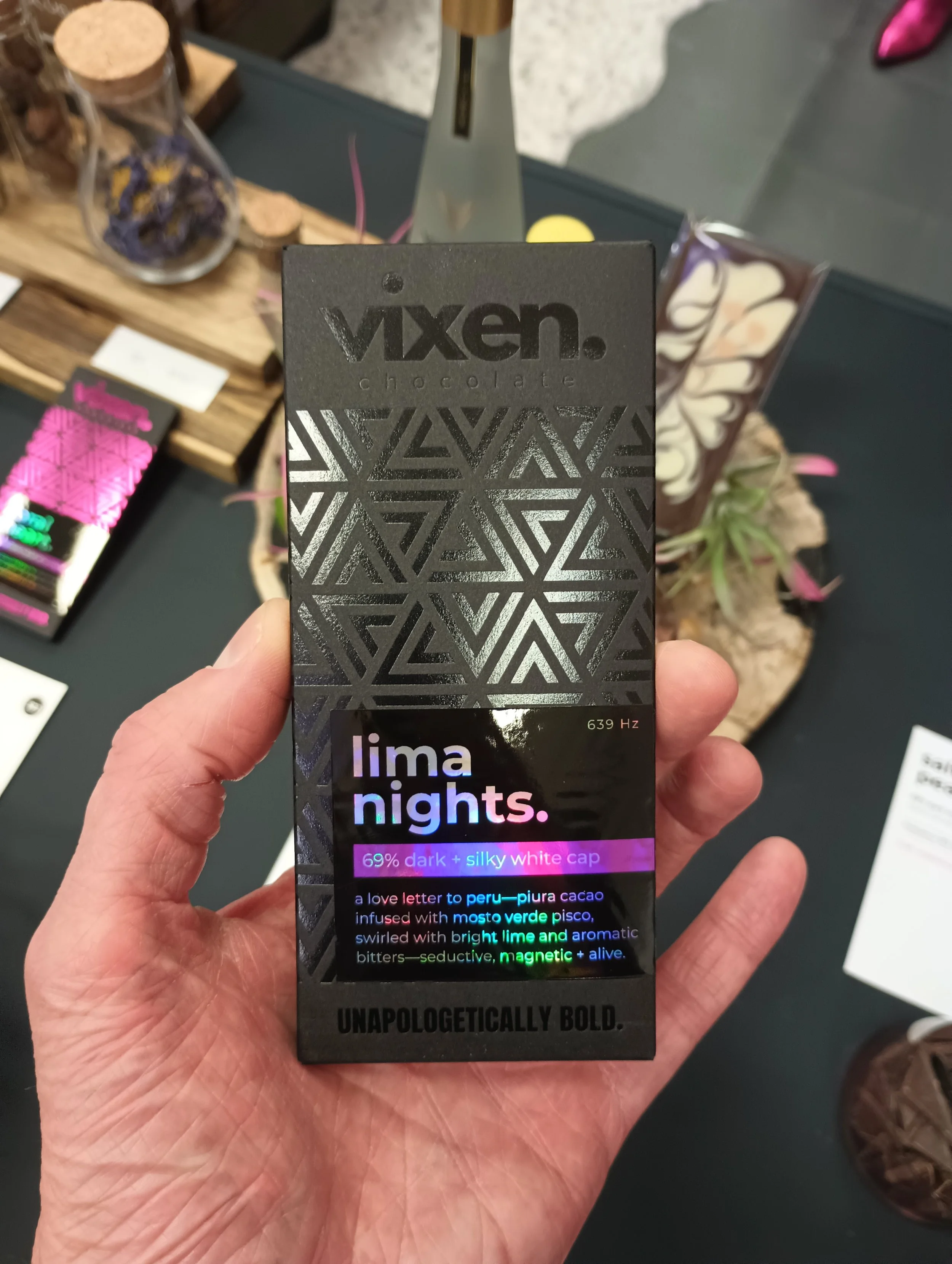
Spirit infusions. This obviously isn’t new, but a lot of makers had one or more bars made with bourbon, rum, or beer. The one odd thing was that there weren’t many using alcoholic drinks beyond those three. There were a handful of wine bars, Vixen had one made with pisco, and there were a handful of others, but those three still rule the roost. Oddly, I didn’t see a single mezcal bar, despite growth in that category in recent years.
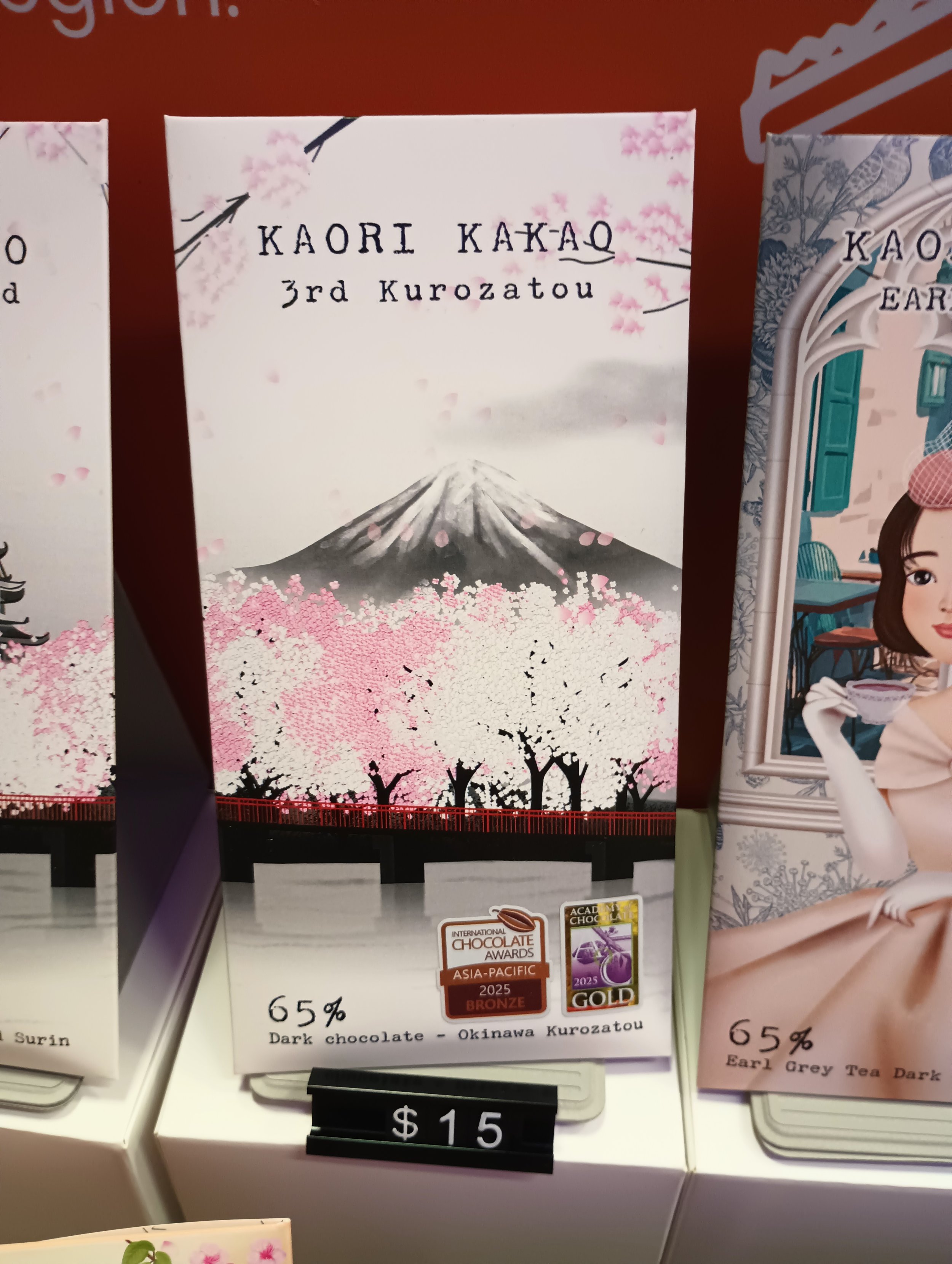
Tea chocolate. This isn’t new either, but there were a lot more tea bars than I expected. Coffee is still more common, but more makers—especially makers from tea-growing or -loving cultures—seem to be working with an increasing variety of teas. It’s great to see.
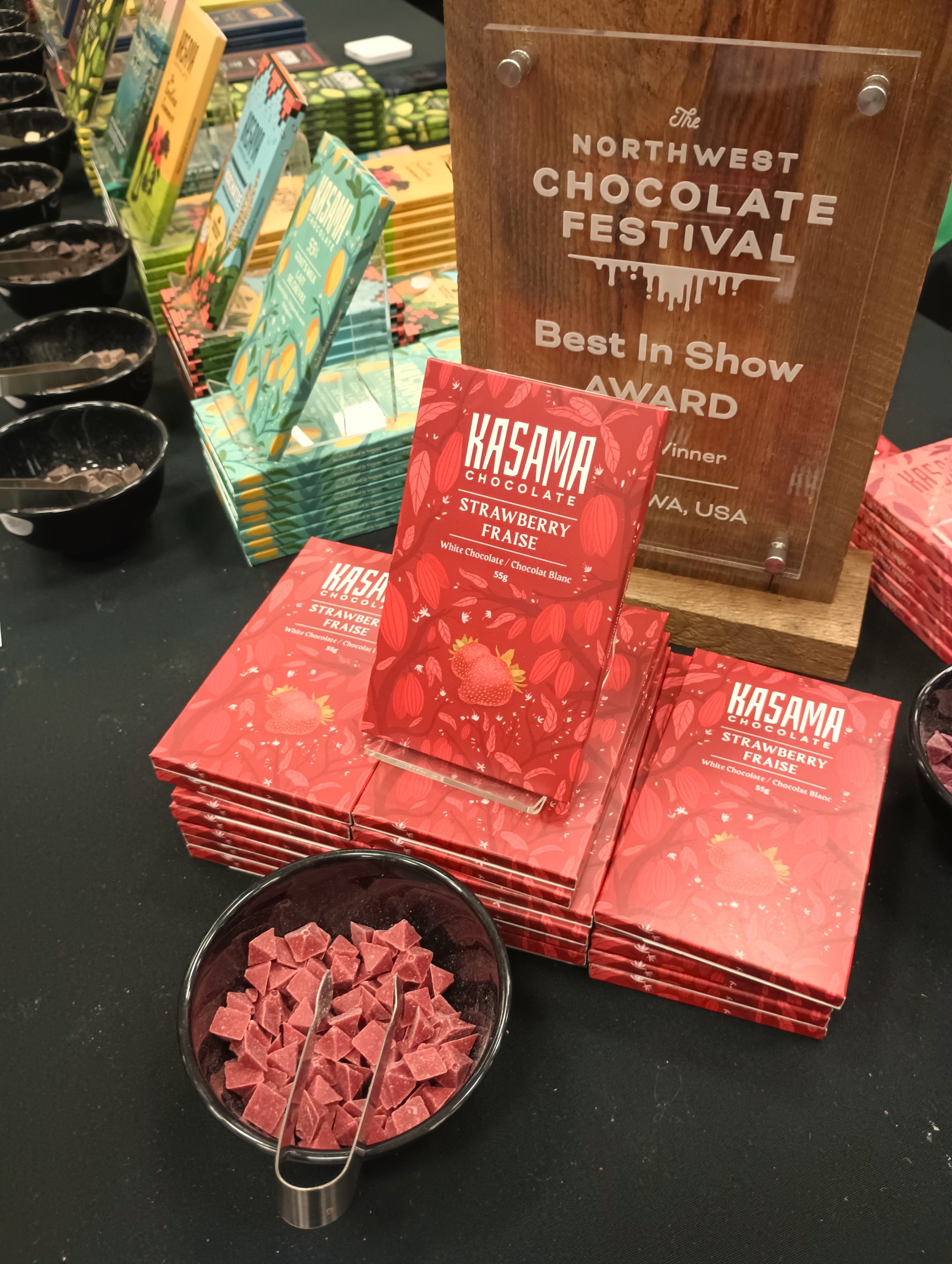
Fruit inclusions still rock. Some of the buzziest award-winners at the festival did nothing unique, but did it really well. Kasama’s Strawberry white chocolate, Fruition’s brand new Banana Flambe bar, and Kessho’s Citrus Eclipse bar were eye-openers that quieted the noise of the show and snapped the senses to attention.
Rice & corn. This was a really fun one. I saw quite a few bars using rice, corn, or corn products—masa, tortillas—on the floor. Not only are these somewhat unexpected, typically savory ingredients fun from a flavor standpoint, but they offer such a cool avenue for telling cultural culinary stories and, in the case of corn, bring together two crops that are historically intertwined. Examples from Hijita and Semilla were my favorites, though even bigger makers like Fruition got in on the act.
You can listen to my recap of the festival below.
If you attended Northwest Chocolate this year, I’d love to hear your own takeaways and experiences!